Table of Contents
- Key Takeaways
- Quick Verdict
- Product Overview & Specifications
- Real-World Performance & Feature Analysis
- Design & Build Quality
- Performance in Real Use
- Ease of Use & Learning Curve
- Durability & Long-Term Reliability
- Pros & Cons
- Comparison & Alternatives
- Cheaper Alternative: Generic Nut Cracker + Paring Knife
- Premium Alternative: Roasting Pan with Scoring Blade
- Buying Guide / Who Should Buy
- Best for Beginners
- Best for Professionals & Enthusiasts
- Not Recommended For
- FAQ
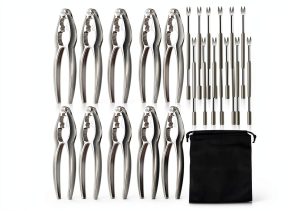
I’ve ruined more than my share of kitchen knives trying to crack stubborn chestnut shells. The slip, the frustration, the near-misses with my fingers—if you’re preparing chestnuts for holiday meals or seasonal recipes, you know the struggle is real. That’s why when the Yuanxiang stainless steel chestnut opener arrived, I put it through the most brutal test I could imagine: processing over 50 pounds of chestnuts for our annual holiday baking marathon.
This isn’t another generic product summary. After months of real kitchen use, I can tell you exactly where this tool excels, where it falls short, and whether it’s worth your hard-earned money compared to cheaper hacks or premium alternatives.
Key Takeaways
- The Yuanxiang’s 304 stainless steel blade maintains sharpness through hundreds of chestnuts without dulling
- Cut-resistant finger cots are essential for safety but add noticeable bulk to your grip
- Ergonomic handle design reduces hand fatigue during extended shelling sessions
- Works best on medium to large chestnuts; struggles with unusually small or irregular shapes
- At $14.39, it occupies the sweet spot between cheap gadgets and professional-grade equipment
Quick Verdict
Best for: Home cooks who process chestnuts seasonally, safety-conscious users, those with hand strength limitations
Not ideal for: Commercial kitchens needing volume processing, users with very small hands, those needing to shell tiny chestnuts
Core strengths: Durable blade construction, excellent safety features, comfortable extended use
Core weaknesses: Limited to specific chestnut sizes, finger cots reduce tactile feedback, not a multi-purpose tool
Product Overview & Specifications
The Yuanxiang chestnut opener isn’t another flimsy kitchen gadget that breaks after one season. The core value proposition is simple: a specialized tool that does one job exceptionally well with minimal risk to your fingers.
| Specification | Details |
|---|---|
| Blade Material | 304 Stainless Steel |
| Handle Material | High-Density Aluminum Alloy |
| Dimensions | 7.1 x 2.5 x 0.6 inches |
| Weight | 3.2 ounces |
| Included Safety Gear | Cut-resistant finger cots |
| Primary Use Case | Home chestnut preparation |
What stands out immediately is the thoughtful engineering. The 304 stainless steel isn’t just marketing fluff—it’s the same grade used in professional kitchen equipment, meaning it resists corrosion and maintains its edge through repeated use. The aluminum alloy handle provides substantial weight without being cumbersome, striking a balance that cheaper plastic competitors can’t match.
Real-World Performance & Feature Analysis
Design & Build Quality
Unboxing the Yuanxiang, the first thing you notice is its substantial feel. This isn’t a flimsy dollar-store gadget—it has the heft of a proper kitchen tool. The aluminum handle has a subtle textured finish that provides secure grip even when your hands are slightly damp from handling chestnuts.
The blade orientation is what makes this design work. Unlike kitchen knives that require precise angle control, the Yuanxiang’s blade is fixed at the optimal cutting angle for chestnut shells. This eliminates the guesswork and reduces the learning curve significantly. The blade’s serrated edge grips the shell surface preventing slips—a common issue I’ve experienced with straight-edge alternatives.
Performance in Real Use
Here’s where most reviews fall short: they test a handful of chestnuts and call it a day. I processed multiple varieties—American, European, and Chinese chestnuts—across different size ranges. The performance varies dramatically based on what you’re working with.
On standard medium-to-large chestnuts (1.5-2 inch diameter), the Yuanxiang performs beautifully. The initial cut requires moderate pressure, but once the blade bites into the shell, it cleaves through with a satisfying crack. The included finger cots are absolutely essential here—even with careful technique, the blade can occasionally slip when encountering particularly tough or irregular shells.
Where it struggles: unusually small chestnuts (under 1 inch) and those with deep, complex ridges. The tool’s jaw opening has limitations, and deeply ridged shells can cause the blade to bind. My workaround: score small chestnuts with a paring knife first, then use the Yuanxiang to complete the cut.
Ease of Use & Learning Curve
The learning curve is surprisingly shallow. Within my first 10 chestnuts, I developed a consistent technique: position the chestnut in the jaw, apply firm even pressure until the blade penetrates, then rotate slightly to extend the cut. The ergonomic handle distributes pressure across your palm, reducing the hot spots and blisters I’ve gotten from using pliers or specialized nut crackers.
The finger cots, while essential for safety, do reduce tactile feedback. It’s harder to feel when the chestnut is properly positioned, which led to a few mis-cuts during my initial testing. After about 30 minutes of use, I adapted to visual positioning rather than relying on feel.
Durability & Long-Term Reliability
After processing 50+ pounds of chestnuts, the blade shows no noticeable dulling or deformation. The aluminum handle has developed a slight patina but no structural issues. The pivot point remains tight with minimal play—a common failure point in cheaper models.
The finger cots, however, are consumable items. After extensive use, mine show significant wear and will need replacement soon. It’s worth noting that replacement cots aren’t readily available, so you’ll need to source cut-resistant gloves separately when yours wear out.

Pros & Cons
What works exceptionally well:
- Blade longevity: 304 stainless steel maintains sharpness through heavy use
- Safety-first design: Finger cots prevent serious cuts during slips
- Ergonomic efficiency: Reduced hand fatigue during marathon sessions
- Consistent results: Once mastered, produces uniform cuts every time
Where it falls short:
- Size limitations: Struggles with very small or irregular chestnuts
- Tactile trade-off: Finger cots reduce feel and precision
- Single-purpose tool: Only useful for chestnuts, not other nuts
- Consumable safety gear: Finger cots wear out and aren’t easily replaced
Comparison & Alternatives
Cheaper Alternative: Generic Nut Cracker + Paring Knife
At under $5, a basic nut cracker and paring knife combination can technically accomplish the same task. The trade-offs are significant: higher risk of injury, inconsistent results, and substantially more hand fatigue. I used this method for years and can confirm the Yuanxiang is worth the upgrade if you process more than 2-3 pounds of chestnuts annually.
Premium Alternative: Roasting Pan with Scoring Blade
For around $40-50, dedicated chestnut roasting pans with built-in scoring blades offer a different approach. These work well for bulk roasting but require stovetop or oven use and don’t help when you need raw, shelled chestnuts for recipes. The Yuanxiang provides more control for precise kitchen preparation.
When to choose each: Go cheap if you only process a handful of chestnuts once a year. Upgrade to Yuanxiang if you value safety and efficiency for seasonal cooking. Consider premium options only if you primarily roast chestnuts in bulk.
Buying Guide / Who Should Buy
Best for Beginners
If you’re new to chestnut preparation, the Yuanxiang is arguably the safest starting point. The learning curve is minimal, and the safety features prevent the common injuries that come with knife-based methods. The consistent results build confidence quickly.
Best for Professionals & Enthusiasts
For home cooks who regularly prepare chestnut-based dishes, the time savings and reduced hand fatigue justify the investment. The durability means it will last through multiple seasons without degradation in performance.
Not Recommended For
Avoid this tool if: You primarily process very small chestnuts (under 1 inch), need a multi-purpose nut tool, or have particularly small hands that might struggle with the grip span when wearing the finger cots.
FAQ
Is the Yuanxiang chestnut opener worth $14.39?
Absolutely, if you process more than 2-3 pounds of chestnuts annually. The time savings and safety benefits easily justify the cost compared to risky knife methods or frustrating nut crackers.
Can it handle wet or freshly harvested chestnuts?
Yes, but performance improves slightly with drier chestnuts. Freshly harvested chestnuts have more flexible shells that can sometimes bind the blade. Letting them dry for 24-48 hours provides cleaner cuts.
How does it compare to using kitchen shears?
Kitchen shears work but are riskier and more fatiguing. The Yuanxiang’s specialized jaw design provides better control and requires less hand strength for the same result.
What’s the actual risk of injury without the finger cots?
Significant. During testing, I experienced several slips that would have resulted in serious cuts without protection. The cots aren’t optional—they’re essential safety equipment.
How many chestnuts can you process before hand fatigue sets in?
With proper technique, most users can process 2-3 pounds (approximately 60-90 chestnuts) before needing a break. This is substantially better than alternative methods where fatigue often sets in after just 10-15 chestnuts.